

Blog
The History and Evolution of Leather Processing

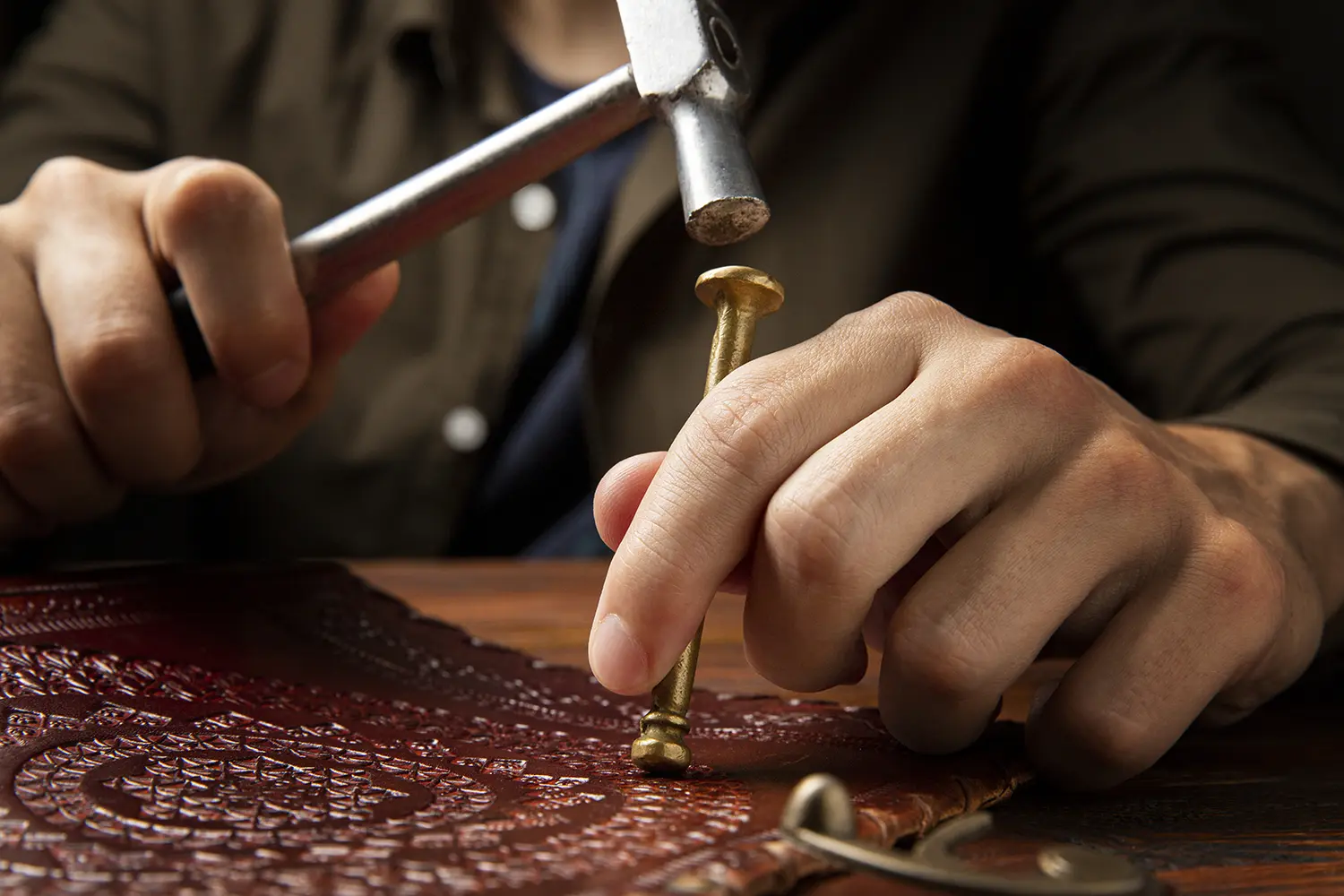
The History of Leather Processing: How an Ancient Craft Became a Global Industry
Leather has clothed, armed, and equipped human beings for tens of thousands of years, yet very few people know how a raw animal hide actually becomes the soft, durable material inside a wallet, jacket, or pair of boots. The history of leather processing is a story of trial and error, chemistry, and craftsmanship — one that stretches from smoke-cured hides around a prehistoric campfire to the high-tech, sustainability-driven tanneries of today.
In this guide, we trace the full evolution of leather tanning: how ancient civilizations discovered the process, how medieval guilds turned it into a regulated trade, how the Industrial Revolution transformed it into a mass-production industry, and where the craft is headed next.
What Is Leather Tanning?
Tanning is the chemical process that converts a raw, perishable animal hide into leather — a stable material that resists decay, moisture, and heat. Without tanning, hides would rot within days. The word “tanning” comes from the medieval Latin tannare, related to tannum (oak bark), reflecting the plant-based tannins that were among the earliest tanning agents used by humans.
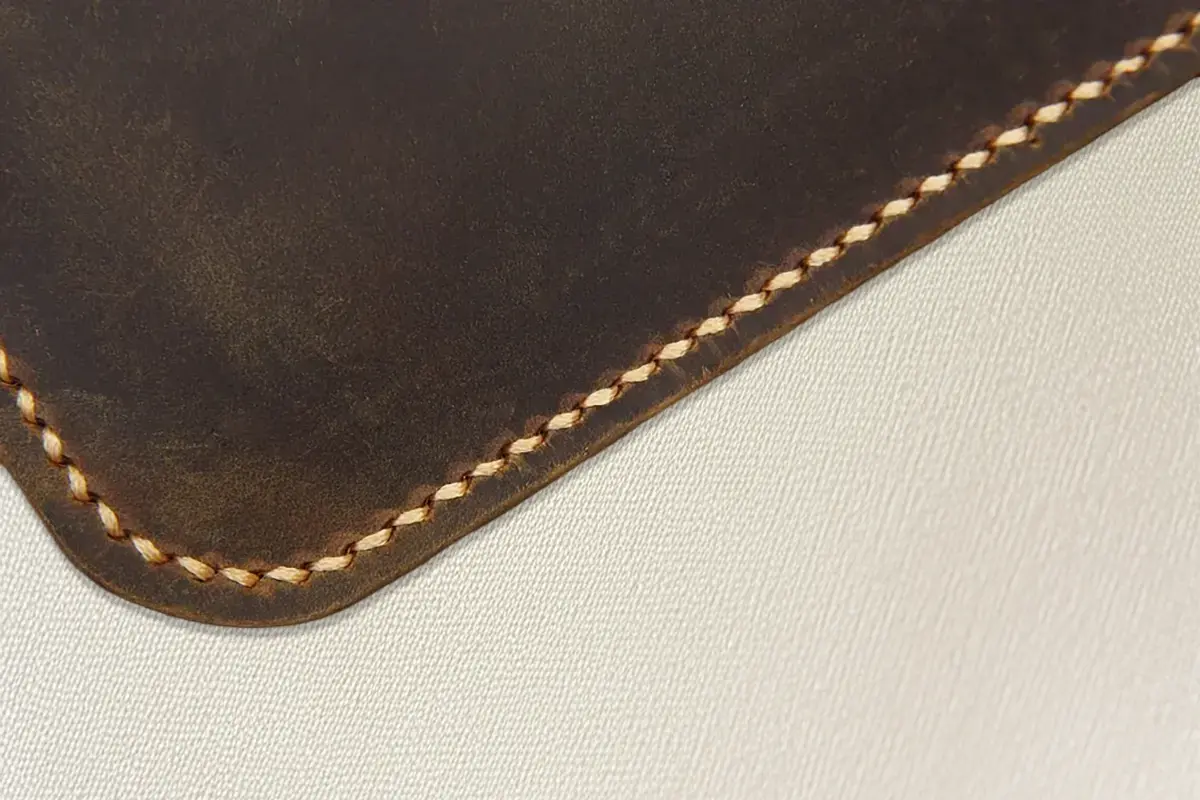
Prehistoric Origins: How Ancient Humans First Preserved Hides
Long before written history, early humans faced a simple problem: animal skins were valuable for warmth and protection, but they decomposed quickly. The earliest solutions were mechanical rather than chemical.
- Drying: Stretching hides on frames to remove moisture and slow bacterial growth.
- Smoking: Exposing stretched hides to wood smoke, which added antibacterial compounds and gave the hide a light, workable texture.
- Fat and brain tanning: Working animal fats or brain matter into the fibers of a hide, a technique still used today in traditional buckskin-making.
These methods produced usable material, but true preservation — leather in the modern sense — required a chemical breakthrough: tannins.
The Discovery of Vegetable Tanning
At some point, early artisans noticed that hides soaked in water containing oak bark, leaves, or other plant matter became noticeably tougher, more pliable, and resistant to rot. This was the discovery of tannins — astringent plant compounds that bind permanently to the collagen proteins in animal skin, transforming it into leather.
This process, known today as vegetable tanning, became the foundation of leather-making for thousands of years, and remains prized in premium leather goods for its rich patina and biodegradability.
Leather in Ancient Civilizations
- Ancient Egypt: Leather was used for sandals, shields, chariot fittings, and ceremonial items, often decorated with intricate tooling.
- Ancient Rome: The Romans industrialized early tanning, building large tanneries near rivers to supply the military with leather armor, belts, and footwear (caligae). Roman engineering brought scale and organization to what had previously been a household craft.
- Mesopotamia and the Indus Valley: Archaeological evidence shows tanned leather used for containers, garments, and early bookbinding-like applications.
The Middle Ages: Tanning Becomes a Regulated Trade
By the medieval period, tanning had evolved into a specialized profession governed by guilds. Tanners occupied a paradoxical social position — essential to daily life, yet often pushed to the edges of towns because of the strong odors produced by soaking hides in lime, dung, and tannin solutions.
Vegetable tanning at this stage was extremely slow. Hides moved through a sequence of pits with increasing tannin concentration, a process that could take several months to over a year. The result was thick, firm leather ideal for saddles, armor, and heavy footwear — durable, but far stiffer than the leathers common today. Knowledge of the craft was closely guarded and passed down through years of apprenticeship.
The Industrial Revolution: Mechanization and the Chrome Tanning Breakthrough
The 18th and 19th centuries transformed leather processing from a manual trade into an industrial process.
- Powered drum systems allowed tanneries to process far larger volumes of hides in a fraction of the time previously required.
- Steam power and mechanized splitting made it possible to produce consistent, thinner leathers at scale.
The single biggest turning point, however, came in the mid-1800s with the invention of chrome tanning. American chemist Augustus Schultz patented a method using chromium sulfate that could tan a hide in one to two days, compared to the many months required by vegetable tanning. Chrome-tanned leather was also softer, more water-resistant, and easier to dye consistently — qualities perfectly suited to gloves, upholstery, and fashion footwear.
Chrome tanning quickly became the industry standard and today accounts for the vast majority of leather produced worldwide, thanks to its speed, versatility, and cost efficiency.
Modern Leather Processing: Technology and Sustainability
Today’s leather industry blends centuries-old craftsmanship with modern chemistry and environmental engineering.
- Water treatment and chemical recovery systems in modern tanneries reduce the environmental footprint of chrome tanning.
- A vegetable tanning revival is underway, driven by demand for biodegradable, low-impact leather from luxury and heritage brands.
- Bio-tanning research is exploring enzyme-based and plant-derived alternatives to traditional chemical agents.
- Traceability and certification programs now let consumers verify where hides originate and how they were processed.
At the same time, the rise of petroleum-based faux leather has pushed the genuine leather industry to more clearly communicate its advantages: natural breathability, long-term durability, and the way real leather ages and develops character — something synthetic materials cannot replicate.
Vegetable Tanning vs. Chrome Tanning: Quick Comparison
| Factor | Vegetable Tanning | Chrome Tanning |
|---|---|---|
| Tanning time | Weeks to months | 1–2 days |
| Tanning agent | Plant tannins (oak, sumac, etc.) | Chromium sulfate |
| Feel | Firm, develops rich patina over time | Soft, supple, uniform |
| Environmental profile | Biodegradable, lower chemical load | Higher chemical use, requires treatment systems |
| Best for | Belts, bags, saddlery, tooled leather | Footwear, upholstery, garments, gloves |
The Future of Leather Processing
The next chapter of leather-making is likely to combine tradition with technology: automated quality control and data analytics to reduce waste, growing demand for transparent and ethical supply chains, and continued innovation in bio-based and low-impact tanning methods. Yet the final stages of leathercraft — dyeing, finishing, and hand-shaping — remain firmly rooted in human skill, ensuring that this ancient trade stays as much an art as it is an industry.
Frequently Asked Questions
When was leather tanning invented? Leather tanning likely began during prehistoric times, with early humans using smoking and drying to preserve hides. True chemical tanning using plant tannins is believed to date back thousands of years, with well-documented use in ancient Egypt and Mesopotamia.
What is the oldest method of tanning leather? Vegetable tanning, using plant-based tannins from sources like oak bark and sumac, is the oldest known chemical tanning method and is still practiced today.
What is the difference between vegetable-tanned and chrome-tanned leather? Vegetable tanning is a slower, plant-based process that produces firm, biodegradable leather that develops a patina over time. Chrome tanning uses chromium salts, takes only a day or two, and produces softer, more uniform, water-resistant leather.
Why did chrome tanning replace vegetable tanning? Chrome tanning, patented in the 1850s by Augustus Schultz, reduced tanning time from months to days while producing softer, more consistent leather — making it far more efficient for large-scale industrial production.
Is leather tanning sustainable today? Modern tanneries increasingly use water treatment and chemical recovery systems, and there is a growing shift back toward vegetable tanning and bio-based tanning methods to reduce environmental impact.
Conclusion
From smoke-cured hides around a prehistoric fire to the chromium baths of the Industrial Revolution and today’s push toward sustainable, bio-based tanning, the history of leather processing is ultimately a story of human ingenuity in service of a single goal: turning a perishable material into something that lasts. Vegetable tanning gave the world its first durable leather and remains prized for its patina and biodegradability; chrome tanning gave the industry the speed and consistency needed to meet global demand. Neither method has fully replaced the other, and that balance — heritage technique alongside modern innovation — is exactly what defines leather craftsmanship today.
As the industry moves forward, expect that balance to deepen further: more transparent supply chains, more eco-conscious tanning agents, and more traceability for consumers, all while the hands-on skill of the tanner remains irreplaceable. Understanding this evolution doesn’t just explain where leather comes from — it explains why a well-tanned, well-made leather good is still, thousands of years later, worth choosing over the alternatives.